


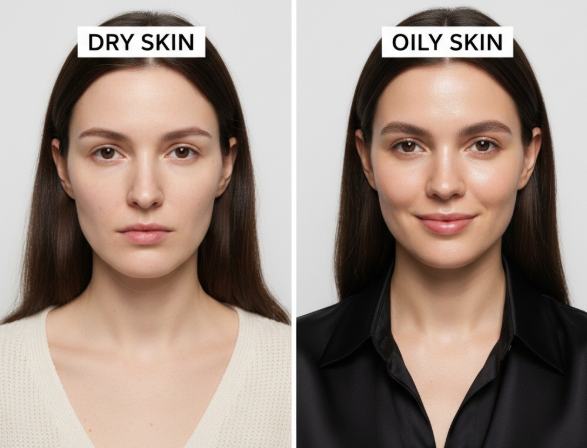
Your skin is as unique as your fingerprint, so why should your skincare routine be one-size-fits-all? One of the most common skincare mistakes people make is copying a friend’s routine, following influencer trends blindly, or assuming that “good skincare” works the same for everyone. In reality, dry skin and oily skin have very different biological needs, and treating them the same can lead to irritation, breakouts, or chronic dryness.
Oily skin needs balance and proper oil control, while dry skin needs extra nourishment and long lasting hydration to keep the barrier strong. One does better with lightweight, water based textures; the other feels more comfortable with richer, creamier formulas. When you use products that do not suit your skin type, you might end up feeling greasy, tight, flaky, or even irritated, and that is definitely not the goal.
In this guide, we’ll walk you through how to identify your skin type, understand what it truly needs, and build skincare routine steps that actually work. With the right approach and ingredients, your skin won’t just look better—it will feel healthier, calmer, and more resilient every day.
Key Takeaways
- The 30-Minute Test: Wash your face and wait to see your natural state.
- Texture Matters: Gels and foams for oily skin; creams and milks for dry skin.
- Hydration vs. Moisture: Oily skin needs water; dry skin needs oil.
- Consistency Over Complexity: 3–5 right steps are better than a 10-step routine.
- Seasonal Adjustments: Swap textures depending on weather to keep skin happy.
Understand Your Skin
Before investing in serums, creams, and treatments, it’s essential to understand how your skin behaves naturally.
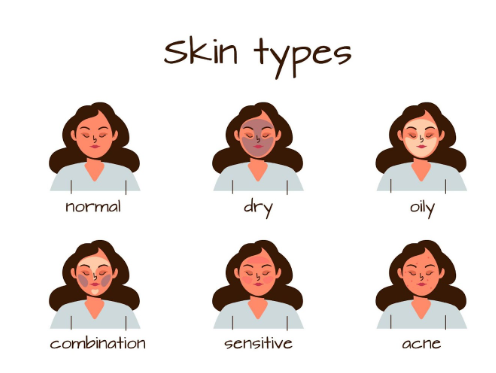
Understanding different skin types starts with how your sebaceous glands function. These glands produce oil to protect your skin, but when they become overactive, they release excessive sebum, leading to excess oil, shine and a higher risk of clogged pores. When the skin barrier is weakened and cannot stay properly skin hydrated, the skin may try to compensate and produce more oil, which can trigger increased oil production and sensitivity. Choosing the right skin care products helps restore balance and supports long-term healthy skin.
Oily Skin
Oily skin produces excess sebum, especially around the T-zone (forehead, nose, and chin). While sebum helps protect the skin barrier, too much of it can lead to clogged pores, acne, and a persistent shiny appearance. Common signs include:
- Visible or enlarged pores
- Blackheads and whiteheads
- Makeup sliding off by midday
- Shine that returns shortly after washing
Dry Skin
Dry skin lacks sufficient natural oils, which compromises the skin barrier and causes moisture loss. This often results in:
- Tightness after cleansing
- Rough or flaky patches
- Dull complexion
- More noticeable fine lines
No matter your skin type, skipping moisturiser is never the answer. Oily skin still needs hydration to prevent excess oil production, while dry skin depends on richer formulations for comfort and elasticity. Daily sunscreen is also non-negotiable — it helps protect your skin from the sun and preserves the results of your routine.
How to Tell If You Have Oily or Dry Skin
Understanding your skin type starts with paying attention to how your skin behaves throughout the day. Oily skin typically looks shiny, especially around the forehead, nose, and chin, with more visible pores and a tendency for blackheads or makeup to wear off quickly. Dry skin, in contrast, often feels tight after cleansing, may show flakiness around certain areas, and can appear dull with fine lines looking more noticeable due to lack of moisture.
If you are unsure, try a simple bare face test. Cleanse your face with a gentle cleanser and leave it product-free for about 30 minutes. If your skin becomes shiny or greasy, you likely have oily skin. If it feels tight, rough, or starts to flake, it is more likely dry. If your T zone is oily while your cheeks feel dry, you may have combination skin.
The Right Skincare Routine for Oily Skin
If your skin is oily, your goal is to regulate sebum without stripping the skin barrier. Over-cleansing or harsh products can trigger more oil production.
Step 1: Cleanser – Proper facial cleansing for oily skin is the foundation of your routine. Use a gel or foaming cleanser with salicylic acid or niacinamide to remove excess oil and impurities—without over-drying.
Step 2: Exfoliation – Incorporate chemical exfoliants like BHAs (beta-hydroxy acids) 2–3 times a week. They dissolve deep-seated oil and help prevent clogged pores and acne.
Step 3: Toner – Choose toners with oil-balancing ingredients such as zinc or witch hazel to control shine and refine pores.
Step 4: Moisturiser – Even oily skin needs hydration. Lightweight, water-based gels with hyaluronic acid help keep skin hydrated without making it greasy. Always remember to apply moisturizer after cleansing.
Step 5: Sunscreen – Finish with a non-comedogenic SPF. Matte formulas protect against UV damage while keeping shine under control.
The Right Skincare Routine for Dry Skin
Dry skin requires moisture and barrier support to prevent irritation and premature ageing.
Step 1: Cleanser – Cleansing for dry skin should always be gentle. Cream or milk cleansers remove impurities while maintaining hydration. Avoid foaming formulas.
Step 2: Toner or Mist – Use alcohol-free, fragrance free hydrating mists containing glycerin or rose water prep the skin and improve product absorption.
Step 3: Serum – Look for ceramides, vitamin E, or hyaluronic acid to strengthen the skin barrier and improve skin texture.
Step 4: Moisturiser – A rich moisturiser for dry skin with shea butter, squalane, or mineral oils locks in hydration and reinforces the barrier. Apply to slightly damp skin.
Step 5: Sunscreen – Hydrating SPF doubles as a day cream while protecting against sun damage.
Key Ingredient Cheat Sheet
Understanding ingredients is just as important as understanding your skin type. Certain ingredients regulate oil production, others attract water into the skin, and some create a protective seal to prevent moisture loss.
When you know what each ingredient does, choosing products becomes far less overwhelming and far more effective.
| Ingredient | Best for | What It Does |
|---|---|---|
| Salicylic Acid (BHA) | Oily Skin | Deep-clean pores, reduces acne |
| Niacinamide (Vit B3) | Both | Balances oil, strengthens skin barrier |
| Hyaluronic Acid | Both/ Dry | Deep hydration (holds 1000x its weight in water) |
| Retinol (Vit A) | Oily/ Aging | Refines texture, regulates oil |
| Occlusives (Shea/ Squalane) | Dry/ Skin | Forms a seal to lock in moisture |
| AHAs (Glycolic Acid) | Oily/ Dull | Removes dead skin for smooth surface |
Common Mistakes to Avoid
Even with the right products, application habits can sabotage your results.
For Oily Skin:
- Skipping moisturiser: This can dehydrate your skin and trigger even more oil production.
- Over-washing: Cleansing more than twice daily strips the barrier and causes rebound oiliness.
For Dry Skin:
- Using foaming or stripping cleansers: These remove essential oils and worsen dryness.
- Applying products on completely dry skin: Damp skin improves hydration absorption.
Adjusting for Weather or Combination Skin
Your skin’s needs can shift with the weather. In hot and humid conditions, heavier creams can feel suffocating and may lead to excess shine or clogged pores. This is when gel based formulas and lightweight textures work best, as they hydrate without feeling greasy. In colder or drier climates, however, skin tends to lose moisture more quickly. Richer creams with more nourishing ingredients help to prevent tightness, flaking, and barrier damage caused by low humidity and indoor heating.
If you have combination skin, consider a more targeted approach. Apply oil-controlling or lightweight products on the T zone, where shine is more common, and use richer, more hydrating formulas on drier areas such as the cheeks. Adjusting your routine according to both your skin type and your environment ensures your skin stays balanced, comfortable, and healthy throughout the year.
Know Your Skin, Treat It Right
Skincare is never one-size-fits-all. Your skin type may change over time, and environmental factors like climate, humidity, and pollution can impact its needs. By listening to your skin, using the right skincare routine steps, and incorporating ingredients that suit your skin type, whether oily skin or dry skin, you can balance oil, replenish moisture, and protect your skin from damage. Always cleanse gently using warm water to avoid irritating your skin, and finish your morning routine with a sunscreen with an SPF that is broad spectrum to protect your skin every day.
A consistent, tailored routine doesn’t just improve your complexion, it makes your skin feel amazing every day. With the right approach, you’ll enjoy a radiant, healthy complexion that looks as good as it feels. It’s time to give your skin the love and attention it truly deserves.
Frequently Asked Questions (FAQs)
1. Why does my dry skin still get pimples?
Dry skin can overproduce oil when dehydrated, clogging pores. Gentle cleansing and hydrating, non-comedogenic products help prevent breakouts.
2. What ingredients should oily skin avoid?
Skip heavy oils and thick creams like coconut oil or petrolatum. Stick to lightweight, water-based products with salicylic acid, niacinamide, or zinc.
3. How often should I exfoliate?
Oily skin: 2–3×/week (BHAs).
Dry skin: 1–2×/week (gentle AHAs). Avoid over-exfoliating.
4. Can I use the same toner for both skin types?
Yes, if it’s gentle and alcohol-free. Hydrating ingredients like glycerin or rose water work for all skin types.
5. Can I mix products for combination skin?
Absolutely! Multi-mask: oil-control on T-zone, rich creams on cheeks. Adjust with the seasons.
Author

Mei Ling Cheng is a seasoned beauty expert with over 15 years of experience in makeup artistry and skincare consulting. As a leading beauty advisor at Sa Sa Malaysia, she helps customers achieve flawless, long-lasting looks.
Featured Products in this Post
RM 103.00
RM 79.00
Related Posts

Are You Drying Your Hair the Right Way?

7 Must-Try Eyeliner Styles That Transform Your Look

Anti-Aging Skincare Guide Malaysia 2026 | Best Routine & Products | Sa Sa MY
Cell Fusion C Salmon PDRN Ampoule: 7 Days to Moisture & Glow

5 Common Makeup Mistakes and Simple Ways to Fix Them All Now

Soothe Skin: Dr.G Blemish Clear Hyal-Cica Soothing Serum

Hair Serum Tips: How to Get the Best Results on Curly Hair