



Foot peel videos make the process look effortless: soak, wait, peel. But for sensitive skin, the standard "baby foot" formula can be too much. High-concentration glycolic acid strips fast, and reactive skin pays for it with redness, stinging, and a damaged barrier. That approach is being replaced by barrier-supportive formulas that exfoliate gradually, keeping the skin's integrity intact while still delivering smooth, callus-free results.
Choosing the best foot peel products for sensitive skin requires understanding the ingredients behind the treatment. The right foot peel mask can help remove buildup of dead skin while supporting softer, healthier-looking feet without unnecessary irritation.
Quick Summary
The issue with most classic peels is glycollic acid, which penetrates quickly and can irritate reactive skin. Safer foot peel products for sensitive skin use lactic acid, which has a larger molecule and penetrates more slowly, alongside fruit enzymes like papain and bromelain, which digest dead proteins without touching live tissue. After any peel, always follow up with a urea-based foot cream as part of your foot care routine to lock in the results.
A gentle foot peel mask is designed to gradually exfoliate and help remove dead skin while maintaining the skin barrier. This makes it a better option for people with dry feet who want to achieve soft feet without harsh scrubbing.
Key Takeaways
Before getting into which products and ingredients to look for, here is a quick reference for sensitive skin specifically:
- Enzymes Acids. Proteolytic enzymes act as a smart peel: they only target dead skin cells and stop once the job is done.
- The "Wait and See" Rule. Peeling may not start until day 7 to 10, rather than the usual 3 to 5. This is normal.
- Post-Peel Hydration. Apply aloe vera gel or a specialised foot cream once the peeling phase is over to protect the new skin.
- Avoid Physical Scrubbing. Forcing peeling skin off causes scarring. Let the chemical process finish on its own. Trying to manually remove the peeling layers can affect the results of a foot peel and may increase irritation.
Why Choose Foot Peels for Sensitive Skin
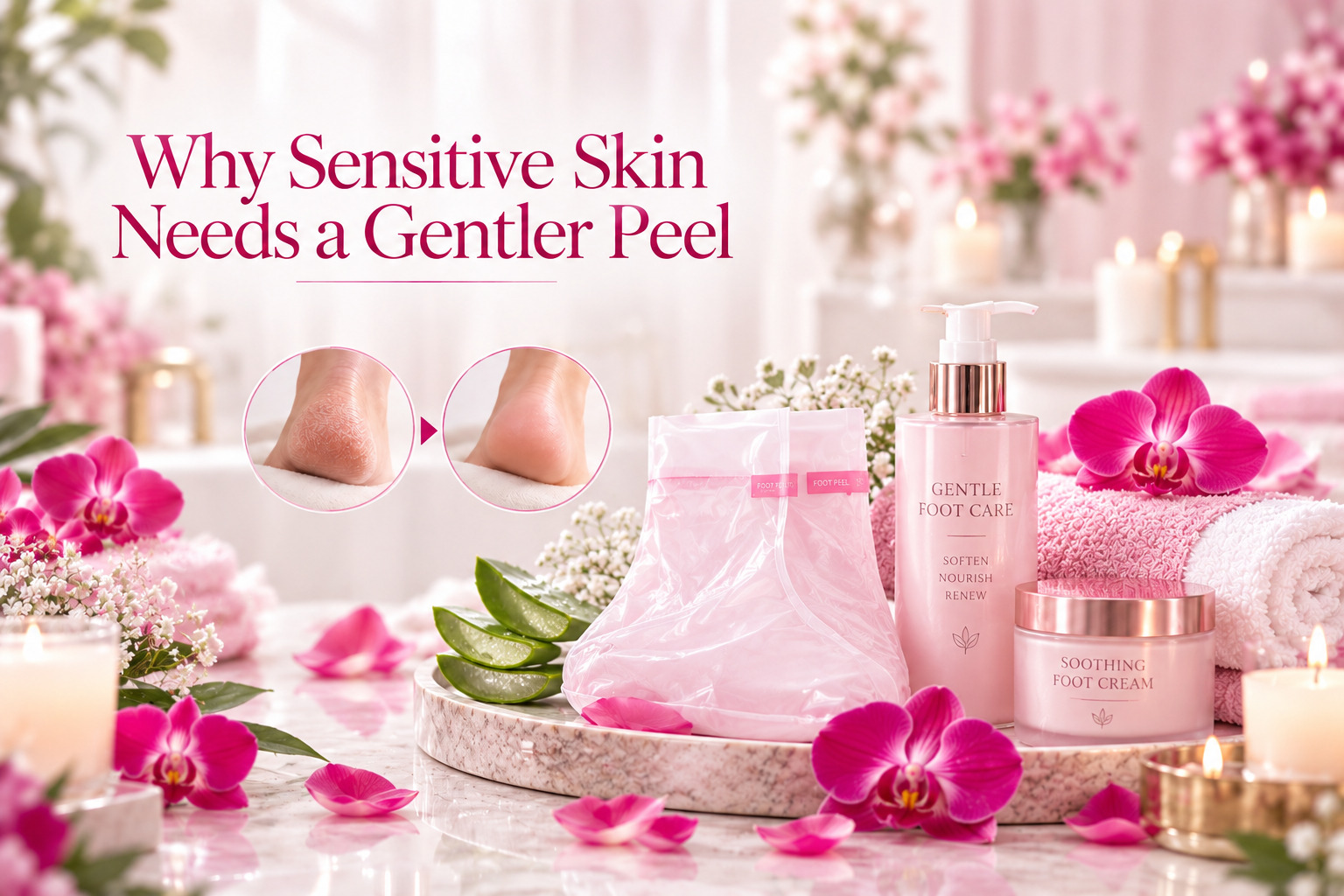
Pumice stones and foot files work through friction. On sensitive skin, that friction creates uneven pressure and micro-tears. A chemical peel avoids this. It dissolves the bonds between dead skin cells instead of scraping them off, which gives a more even result.
This matters most in spots a file cannot reach well, like the sides of the toes, the inner arch, and the edges of the heel. A chemical peel reaches all of these evenly. That even coverage is where most of the visible smoothness comes from. It also means less daily effort. One gentle exfoliation foot peel every six to eight weeks does more for long-term softness than scrubbing every day.
Daily scrubbing only removes surface cells. It does not reach the deeper layers where calluses actually form. For people dealing with calluses, cracked heels, or dry skin, a suitable foot peel treatment can help improve the appearance of rough areas while supporting a consistent foot care routine.
Key Ingredients to Look For
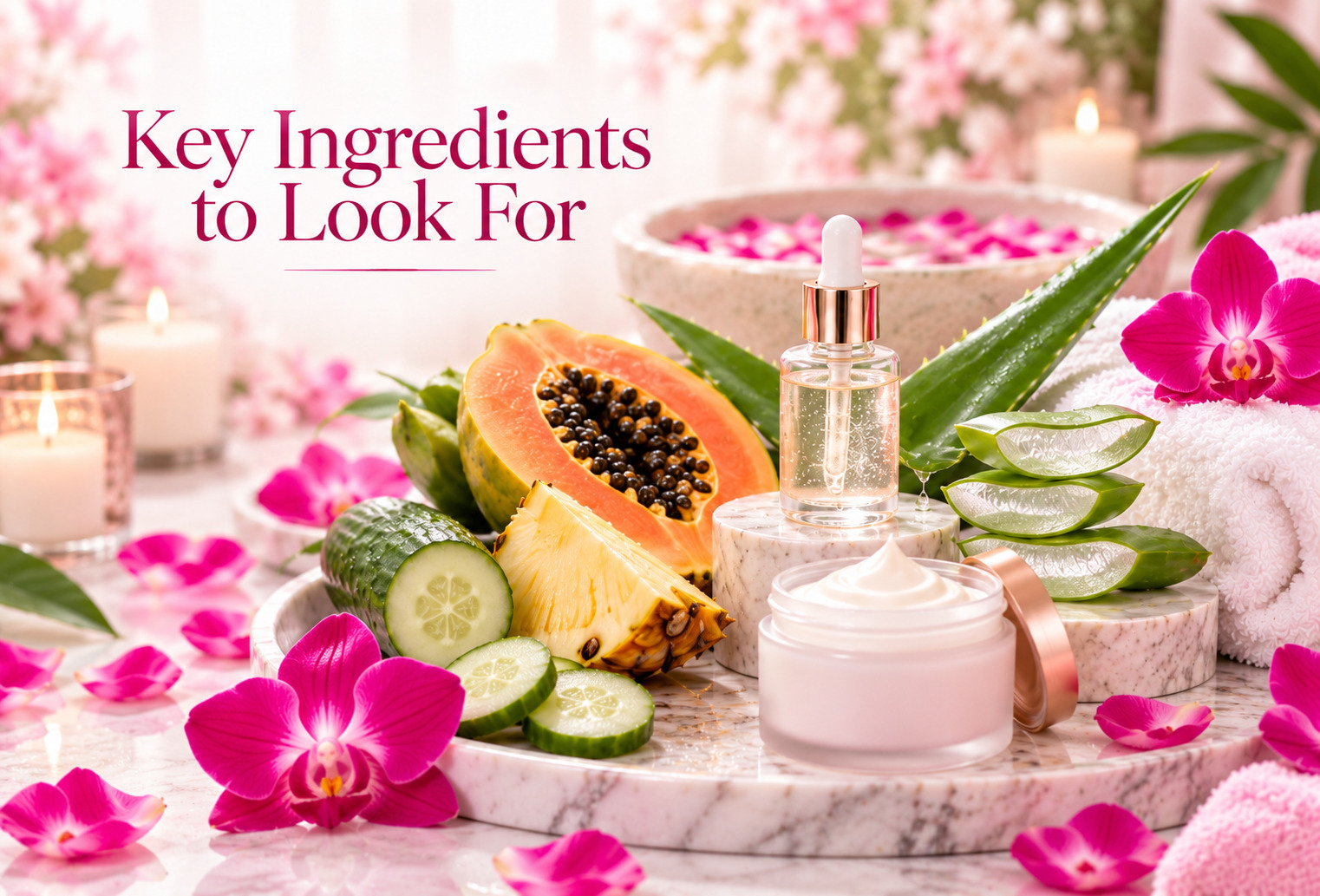
Knowing why peels work helps, but the ingredients are what determine safety. A balanced formula can support foot exfoliation while helping remove dead skin cells without making the skin on your feet feel overly dry.
Start with lactic acid. It is a gentler AHA than glycollic acid. Its larger molecule slows penetration, which lowers the risk of irritation. It also draws moisture into the skin while it exfoliates, so skin does not feel stripped afterwards.
Low-percentage urea also works. For people with cracked heels or callused feet, urea-based products can be a useful addition to regular foot care because they focus on softening thick skin rather than aggressive peeling.
At 10% to 20%, it softens the hardened keratin in calluses from within. It handles deep heel cracks and thick, hardened soles without the burning that stronger acids can cause. It pairs well with lactic acid in the same formula.
Fruit enzymes round things out. Bromelain from pineapple and papain from papaya break down the protein bonds holding dead cells together. They are self-limiting, so they stop working once the dead skin is gone. This makes over-exfoliation unlikely, even if the product sits on longer than intended.
These ingredients are often found in gentle exfoliating foot masks and exfoliating foot peel formulas because they focus on gradually improving texture. The goal is not to force the skin to peel quickly but to allow the dead skin from your feet to shed naturally.
Soothing botanicals are also worth checking for. Aloe vera gel, Centella asiatica, and cucumber extract buffer the exfoliating ingredients and reduce the chance of redness during treatment.
Top Foot Peel Products for Sensitive Skin

Once the ingredients are sorted, the next choice is the type of product. A few options go beyond the standard:
The Slow-Shed Sock
Uses time-release lactic acid, releasing it gradually across the wear period instead of all at once. Less intensity upfront, same result over a longer shed.
This type of peeling foot mask can be a good choice for users who prefer a slower foot peel treatment experience and want to avoid a sudden peeling effect.
The Enzymatic Gel Mask
A wash-off option for anyone who finds a long soak uncomfortable. Apply, wait 20 to 30 minutes, and rinse. Uses fruit enzymes instead of synthetic acids, which suits skin that has reacted badly before.
Compared with traditional chemical foot peels, an enzyme-based option may feel more comfortable for some users who want gentle exfoliation without a strong peel experience.
The Botanical Peel
Built around aloe vera gel, herbal extracts, and plant-derived acids. Works more slowly but suits skin that reacts to almost everything.
This type of foot mask focuses on combining exfoliation with soothing ingredients to help keep the skin comfortable during the process.
The Urea-Infused Treatment
Focuses on softening rather than shedding. Better for dry, cracked heels than heavy calluses. A good starting point for first-time users.
For those with very dry feet, this option can support long-term foot care by helping maintain smoother skin between treatments.
How to Use Foot Peels Safely

However you use it, the process matters as much as the product. Follow these steps in order:
Patch test first. Apply a small amount to the top of the foot, where skin is thinner. Wait 24 hours. Redness or itching means the formula is not right for you. A patch test is important when trying new foot treatments because some ingredients may cause skin irritation, depending on your individual skin condition.
Pre-soak for 10 minutes. Warm water softens the outer layers. This helps the active ingredients absorb more evenly.
Before applying a peel, you can gently soak your feet or complete a short foot soak to prepare the surface. Avoid making the water too hot, as this may dry the skin further.
Protect areas that do not need treating. Apply petroleum jelly around the ankles and tops of the feet. This skin is thinner and can be irritated easily.
Cleanse thoroughly afterwards. Rinse with a gentle cleanser once the treatment comes off. This clears any residual acid from between the toes and around the heel.
After that, let the peeling finish on its own.
Do not manually pull away sheets of peeling skin. Allow the skin to peel naturally so the new skin underneath has time to adjust.
Tips for Maintaining Smooth, Healthy Feet
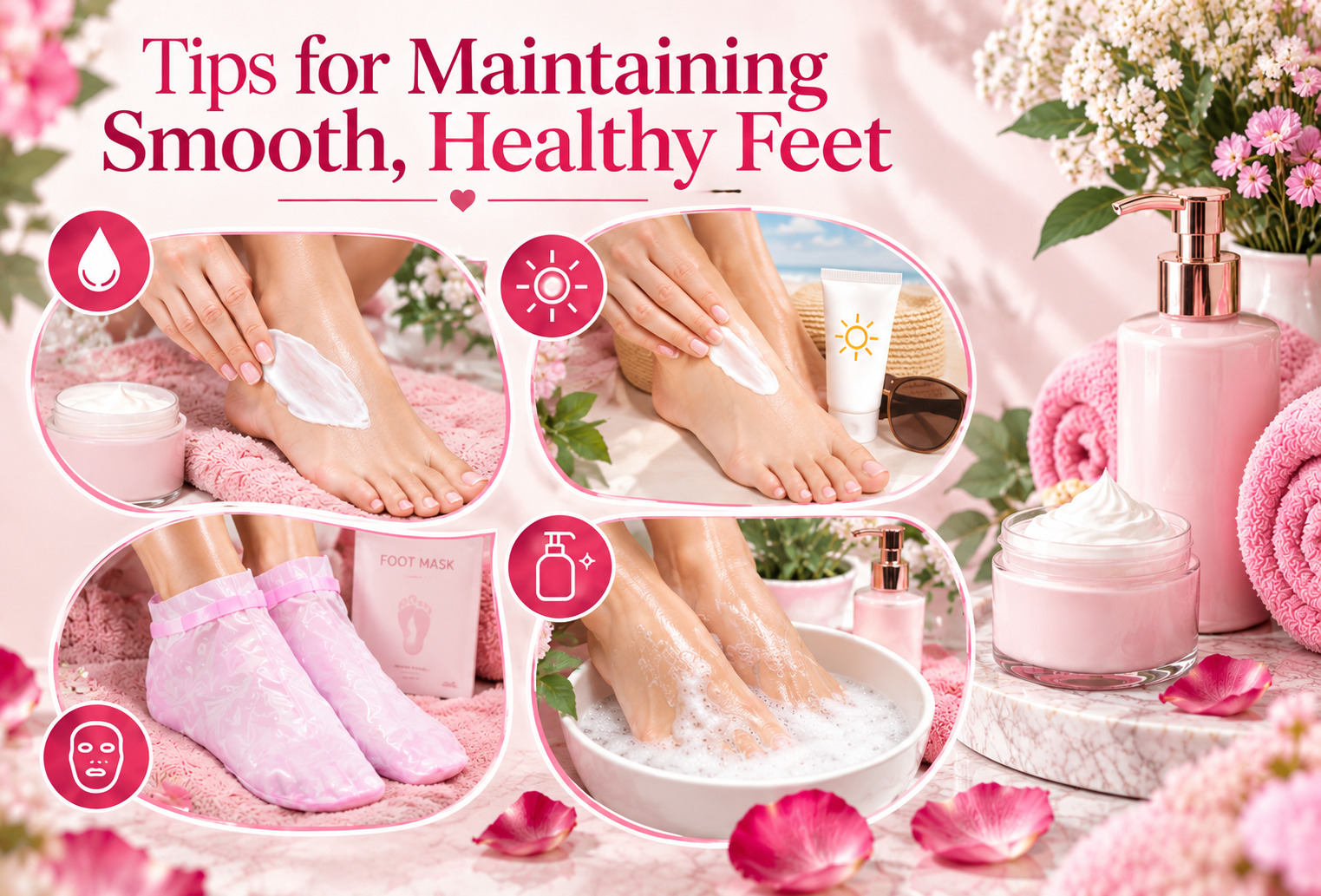
A single peel only lasts as long as the care that follows it. Building a few simple habits into your routine keeps feet soft for longer and delays the return of rough patches. What you do between peels keeps the results going:
Daily moisture. Moisturise every evening. Use a lightweight lotion for normal to oily skin, or a richer foot butter for drier skin. This slows how fast calluses return.
Regular moisturising helps keep feet feeling soft and supports the skin care routine needed after using a foot peel. Applying a nourishing foot cream can also help maintain smoother-looking skin and reduce the buildup of dead skin over time.
Recommended product: FLOR DE MAN Milk Body Lotion
Sun protection. After a peel, the renewed foot skin may need extra attention because it has recently gone through an exfoliation process. Fresh skin on top of the feet is more sensitive to UV. Unprotected time in open shoes can cause patchy pigmentation. A broad-spectrum sun cream before heading out prevents this.
A weekly maintenance mask. A hydrating foot mask once a week extends the results between peels.
A gentle maintenance foot mask can help support hydration and keep the skin smooth between foot peel treatments. This is especially useful for people with dry feet who want to maintain soft and smooth results.
Recommended product: SOO BEAUTE Peppermint Gentle Softening Foot Mask
Foot hygiene. A gentle daily cleanser keeps bacteria away from newly renewed skin. This matters most in the days right after a peel.
Maintaining good hygiene is an important part of overall foot health, especially when the skin is still adjusting after a peel treatment.
None of these steps takes much time, but skipping them is usually why results fade faster than expected. A little consistency between treatments goes a long way towards keeping feet soft year-round.
A balanced routine that includes moisturising, protection, and regular care can help prevent excessive buildup of dead skin and support healthier-looking feet.
Gentle Consistency Wins

Soft, smooth feet do not need a painful process. Choosing the right foot peel depends on your skin type, comfort level, and goals. For sensitive skin, it comes down to the right ingredients, proper prep, and consistent care afterwards. Repeat every six to eight weeks and let the process work at its own pace.
Gradual renewal beats intensity every time. That is what actually lasts.
Explore our extensive range of skin-friendly foot peels and soothing moisturisers by visiting Sa Sa Malaysia's official website. Take advantage of these high-quality treatments to achieve smooth, healthy-looking feet without the irritation. Embrace the art of self-care with Sa Sa MY—where the right body care essentials become a seamless part of your daily routine.
Frequently Asked Questions (FAQs)
1. How does a foot peel help remove dead skin from your feet?
A foot peel helps exfoliate and remove the buildup of dead skin by using ingredients that gradually break down the bonds between dead skin cells. Unlike harsh scrubbing, a gentle exfoliating peel allows the skin to shed naturally. The goal is to get rid of dead skin without damaging healthy skin underneath.
2. How long does it take for a foot peel to start working?
The peel journey is different for everyone. Some people may notice changes within a few days, while others may need more time. For sensitive skin, it is normal for the peel to start working around day 7 to 10. Avoid trying to completely peel or forcefully remove the dead skin, as allowing the process to happen naturally helps protect your feet.
3. Can foot peels remove thick callused skin and cracked feet?
Yes, foot peels can help improve the appearance of callused skin and rough areas, including dead skin on the bottom of your feet and the balls of your feet. However, the amount of dead skin removed depends on your foot condition and the product used. For thicker areas, ingredients such as urea can help soften the skin and support smoother results.
4. Should I soak my feet before using a foot peel?
Yes, preparation can improve the experience. You can soak your feet in warm water for around 10 minutes before applying a foot peel. Placing your feet in warm water helps soften the outer layers and allows the treatment to work more evenly. Avoid water that is too hot because it may dry the skin further.
5. How can I keep my feet soft after using a foot peel?
After your peel, moisturise your feet regularly to maintain hydration and support smoother skin. Avoid using a pumice stone or foot file immediately after peeling, as pulling away sheets of skin can irritate. Keeping your feet moisturised and caring for your feet daily can help maintain skin that feels softer and smoother.
Author

Mei Ling Cheng is a seasoned beauty expert with over 15 years of experience in professional makeup artistry and skincare consulting. As a leading beauty advisor at Sa Sa Malaysia, she specialises in enhancing natural beauty through innovative techniques and high-quality products. Her expert recommendations have helped thousands achieve flawless, long-lasting looks with confidence.
Featured Products in this Post

Related Posts

Cell Fusion C Glass Skin: Serum, Collagen Mask & Tone-Up Cream

Best Moisturizers for Dry and Sensitive Skin: Ultimate Guide
Best Tested Clay Masks For Sticky Skin and Clogged Pores

Beauty and Wellness: Integrate Daily Routine and Self-Care Rituals