


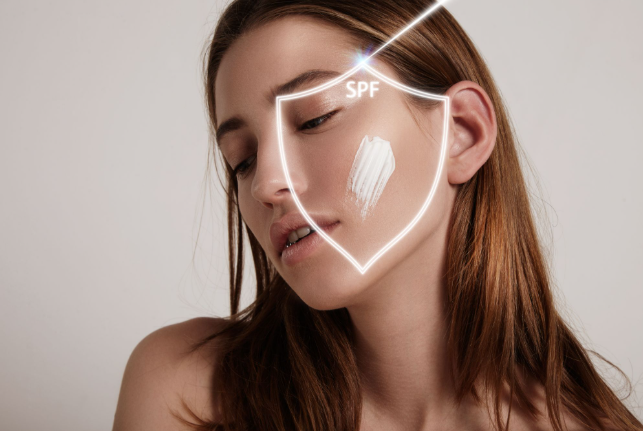
Choosing the right sunscreen often feels like a maths problem where the numbers don’t quite add up. SPF 30, 50, 100… which one should you grab? While it’s tempting to grab the highest number on the shelf, good sun protection is about strategy, consistency and understanding what SPF really means. It also depends on the correct application, not just the biggest SPF number.
In this guide, we’ll explain what those numbers mean, and why more SPF isn’t always better and how to build habits. These habits help keep your skin safe and glowing. By the conclusion, you’ll understand precisely how to choose the ideal SPF for your face, cut down on exposure to damaging UV radiation, and soak up the sun with confidence—keeping your make-up seamless and your skin healthy, calm, and glowing.
Quick Answer: Which SPF is Best?
Short answer: For most people, SPF 30 to 50 hits the sweet spot. SPF 30 blocks about 97% of UVB rays, while SPF 50 blocks 98%. The jump to SPF 100 only adds about 1% more protection. Instead of chasing the biggest number, focus on broad spectrum protection, which shields skin from both UVA and UVB damage caused by daily sun exposure.
Whether you’re shopping for facial sunscreen for everyday commuting or searching for a sunscreen in Malaysia for tropical sun exposure, consistency is your secret weapon. If you’re layering make-up, your SPF should sit comfortably under foundation without leaving a white cast, pilling, or feeling excessively greasy.
Key Takeaways
Benefits of SPF: Why Higher Isn’t Always Better? Here’s the sunscreen lowdown in bite-sized tips:
- UVB vs UVA: SPF only measures protection against burning (UVB), not ageing (UVA). Always choose broad-spectrum.
- Diminishing returns: SPF 50 vs 100? The difference is negligible (around 1%).
- Quantity matters: Most people apply only 25–50% of the amount they need to reach the listed SPF.
- The two-hour rule: Sunscreen breaks down under UV light, reapply every two hours.
- Mineral vs chemical: Your skin type should dictate the ingredients, not just the number.
- Water resistant formulas: Ideal for outdoor activities, sweating, or humid environments.
- Protection beyond sunscreen: Combine SPF with protective clothing and seeking shade whenever possible.
SPF 30 vs SPF 50 vs SPF 100: The Real Difference
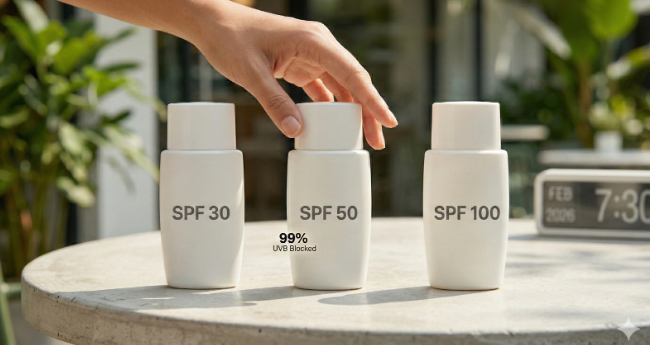
The SPF number tells you how much longer you can stay in the sun without burning. It compares protected skin to unprotected skin, if you apply enough and use it correctly. While it might seem that SPF 100 offers double the protection of SPF 50, the increase in UVB protection is actually marginal. The real-world effectiveness of any sunscreen also depends heavily on how much you apply, how often you reapply, and whether it provides broad-spectrum coverage.
| SPF Level | UVB Protection | % of Rays Blocked |
|---|---|---|
| SPF 15 | Moderate | >93% |
| SPF 30 | High | >97% |
| SPF 50 | Very High | >98% |
Even though the numerical difference seems small, SPF 100 can create a false sense of security. People using ultra-high SPF often stay out longer, skip reapplication, and ironically increase their risk of sun damage compared to someone using SPF 30 correctly and consistently.
The Problem With Higher SPF
Higher SPF might seem better, but it comes with trade-offs:
1. Texture & pores:
- More active ingredients often mean thicker formulas. These can feel heavier, look shinier, and potentially clog pores, particularly in humid climates.
- In regions with high humidity, such as when choosing a sunscreen in Malaysia, lightweight formulations often encourage better compliance.
2. Sensitive skin irritation: Higher concentrations of chemical filters can sting, especially around the eyes.
3. The UVA gap: Some ultra-high SPF products prioritise UVB protection while offering comparatively weaker UVA coverage. Without strong UVA defence, the risk of pigmentation and premature ageing remains.
A light, wearable sunscreen you enjoy using daily is often more protective in reality than an SPF 100 you dislike and apply sparingly. Comfort leads to consistency, and consistency determines results.
How to Apply Sunscreen Correctly
A good sunscreen routine is as important as the SPF number itself.
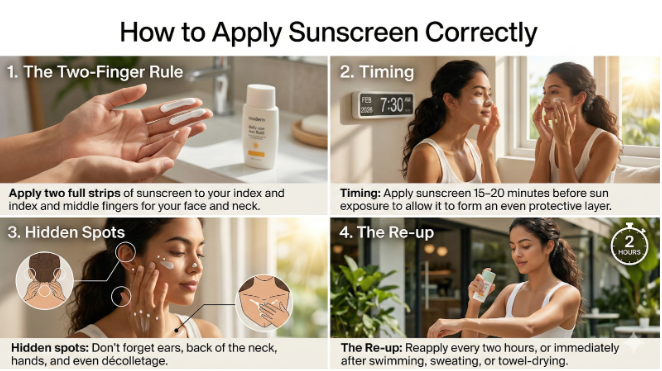
- The Two-Finger Rule: Apply two full strips of sunscreen to your index and middle fingers for your face and neck.
- Timing: Apply sunscreen 15–20 minutes before sun exposure to allow it to form an even protective layer.
- Hidden spots: Don’t forget ears, back of the neck, hands, and even décolletage.
- The Re-up: Reapply every two hours, or immediately after swimming, sweating, or towel-drying.
Even the best SPF won’t help if you don’t apply enough or reapply regularly.
Key Ingredients to Look For
Not all sunscreens work the same. Choosing the right type depends on your skin, lifestyle, and climate. Some are lightweight and cosmetic-friendly, others gentle for sensitive skin, and hybrids aim to balance both.
| Type | Ingredients | Best For |
|---|---|---|
| Chemical | Avobenzone, Octisalate | Lightweight, no white cast, perfect under makeup |
| Mineral | Zinc Oxide, Titanium Dioxide | Gentle, reef-safe, ideal for sensitive or acne-prone skin |
| Hybrid | Mix of both | Balance of cosmetic elegance and mineral stability |
AQUATICA COOLING SUN SPF50+ PA++++ featuring Avobenzone as an active ingredient.
If you’re choosing a SPF 50 sunscreen, look for formulas that suit your skin type and feel comfortable, because the best sunscreen is the one you actually wear. Bonus points if it layers smoothly over your morning skincare (like vitamin C serum) and sits comfortably under makeup.
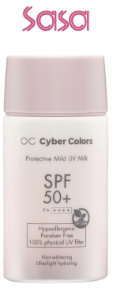
PROTECTIVE MILD UV MILK SPF50+ PA++++ featuring Zinc Oxide as an active ingredient.
Bonus: How to Boost Your Sun Protection
Sunscreen isn’t your only line of defence. Layer up for better results:
- The antioxidant shield: Pair your sunscreen with a vitamin C serum. Vitamin C does not replace SPF, but it helps neutralise free radicals generated by UV exposure, acting as a secondary line of defence against oxidative stress.
- Physical barriers: Hats, UV-rated clothing and shade are your first defence. Sunscreen should be the final protective layer, not the only one.
- Mist it over: Use a sunscreen spray or SPF powder for touch-ups over make-up without disrupting your look. This makes reapplication more realistic throughout a busy day.
A clever combo of facial sunscreen and antioxidants will give your skin the ultimate sun-safe glow.
Smarter Protection, Not Higher Numbers
Sun protection isn’t about chasing the biggest SPF. It’s about:
- Choosing a broad-spectrum formula you actually enjoy wearing everyday.
- Applying it generously using the two-finger rule.
- Reapplying every two hours, or after swimming or sweating.
- Using antioxidants like vitamin C to bolster protection
Pick SPF 30 or SPF 50 that feels light and comfortable, apply consistently, and layer with hats, clothing, shade. Your future self will thank you for glowing, healthy, and protected skin, without the greasy SPF panic.
Remember: the best sun protection isn’t the one with the highest number, but the one you actually wear every single day.
Frequently Asked Questions (FAQs)
1. What’s the best SPF for daily use?
SPF 30–50 is ideal, blocking 97–98% of UVB rays. Choose a broad-spectrum formula to protect against both UVA and UVB.
2. How often should I reapply sunscreen?
Reapply every two hours or after swimming/sweating to maintain protection. Sunscreen breaks down under sunlight over time.
3. Do I need to apply sunscreen at home?
Yes, UVA rays can penetrate windows and cause ageing. Daily application indoors helps protect long-term skin health.
4. What happens if I don’t wear sunscreen every day?
Skipping SPF increases the risk of sunspots, wrinkles, and long-term skin damage. Daily use prevents premature ageing.
5. Should I apply sunscreen before or after moisturizer?
Apply sunscreen after moisturiser but before make-up. It forms the final protective layer over your skin.
6. How much sunscreen should I use on my face?
Use two fingertip-lengths (about a teaspoon) for full coverage. Too little reduces real-world SPF effectiveness.
7. What’s the difference between UVA and UVB rays?
UVB causes burning, UVA causes ageing and long-term damage. Broad-spectrum SPF protects against both.
Author

Mei Ling Cheng is a seasoned beauty expert with over 15 years of experience in makeup artistry and skincare consulting. As a leading beauty advisor at Sa Sa Malaysia, she helps customers achieve flawless, long-lasting looks.
Featured Products in this Post
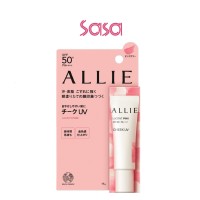
RM 67.50
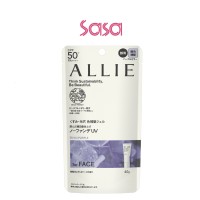
RM 83.10
Related Posts

Are You Drying Your Hair the Right Way?
7 Must-Try Eyeliner Styles That Transform Your Look
Anti-Aging Skincare Guide Malaysia 2026 | Best Routine & Products | Sa Sa MY
Cell Fusion C Salmon PDRN Ampoule: 7 Days to Moisture & Glow
5 Common Makeup Mistakes and Simple Ways to Fix Them All Now